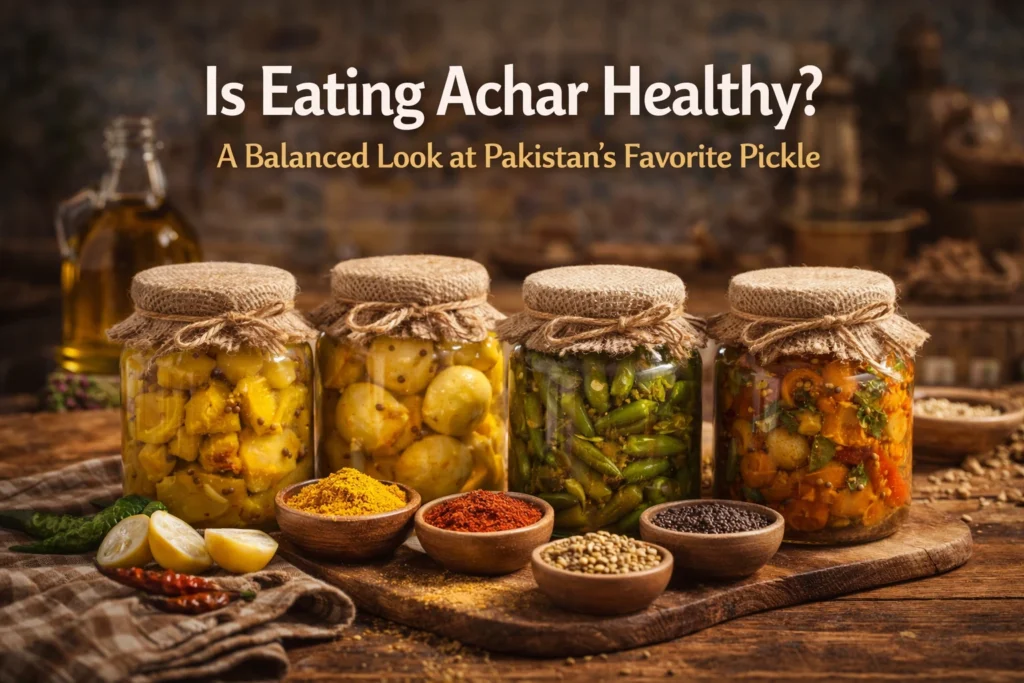
Achar has been part of Pakistani meals for generations. Whether it’s mango, lemon, or mixed vegetable pickle, that small spoon on the side can completely transform a plate of dal chawal or paratha. But as eating habits evolve and people become more health-conscious, one question keeps coming up: Is eating achar healthy?
For those who enjoy traditionally prepared pickles made with quality ingredients, brands like Nani’s Secret are helping preserve authentic recipes while maintaining hygiene and ingredient standards. Their full homemade achar collection showcases classic varieties prepared the traditional way.
Now let’s take a closer look at whether achar deserves its place in a balanced diet.
What Exactly Is Traditional Pakistani Achar?
Traditional Pakistani achar is typically made from seasonal fruits and vegetables such as raw mangoes, lemons, green chilies, carrots, garlic, and mixed vegetables. These ingredients are preserved using natural components like:
- Mustard oil
- Salt
- Turmeric
- Fenugreek seeds
- Fennel
- Red chili powder
Unlike Western pickles that rely heavily on vinegar, Pakistani achar is often oil-based and sun-cured. This preservation method has been used for centuries, long before refrigeration became common.
The Potential Health Benefits of Achar
When eaten in moderation, traditional achar can offer certain benefits.
1. Antioxidant-Rich Spices
Many spices used in achar are known for their functional properties. Turmeric contains curcumin, which has anti-inflammatory effects. Garlic may support heart health. Fenugreek and fennel aid digestion. These ingredients contribute more than just flavor.
2. Digestive Stimulation
The tangy and spicy profile of achar stimulates digestive enzymes. A small serving alongside a meal can enhance digestion, especially when paired with heavier foods like rice or lentils.
3. Seasonal Nutrient Preservation
Pickling allows seasonal produce to be enjoyed year-round. While some vitamins may reduce during curing, beneficial plant compounds and minerals remain.
4. Appetite Enhancement
Achar increases salivation and enhances taste perception. For people with low appetite, it can make simple meals more enjoyable.
The Health Concerns You Should Consider
While achar has benefits, it also comes with important considerations.
1. High Sodium Content
Salt plays a major role in preservation. Excess sodium intake can contribute to high blood pressure and water retention if consumed frequently in large quantities.
2. Oil Content
Mustard oil is commonly used in traditional pickles. While it contains beneficial fats, it is calorie-dense. Overconsumption can add up quickly.
3. Portion Size Matters
Achar is meant to complement a meal, not dominate it. Problems usually arise when portion control is ignored.
Expert Insight from Sagar, Founder of Nani’s Secret
Sagar, founder of The Nani’s Secret, emphasizes moderation and quality when it comes to achar consumption.
He explains that traditionally, achar was never eaten in large servings. It was used to enhance meals, not replace vegetables or protein. According to him, the real difference lies in how the pickle is prepared.
“Authenticity doesn’t mean compromising hygiene,” he notes. “Traditional recipes can be preserved while maintaining proper cleanliness and ingredient standards.”
This approach ensures that consumers enjoy heritage flavors without unnecessary additives or poor storage practices.
Is Achar Good for Gut Health?
Some salt-based pickles undergo natural fermentation, which can promote beneficial bacteria growth. However, not all oil-based achar contains live probiotic cultures in the way yogurt or kefir does.
While traditional pickles may support digestion due to spices and fermentation elements, they should not be considered a primary probiotic source.
Who Should Limit Achar Consumption?
Certain individuals should be cautious:
- People with high blood pressure
- Those following low-sodium diets
- Individuals with acid reflux
- People managing strict calorie-controlled diets
For healthy individuals, small portions alongside balanced meals are generally fine.
How to Eat Achar in a Healthier Way
If you love achar but want to keep things balanced, consider these tips:
- Stick to one small spoon per meal
- Pair it with fiber-rich foods
- Avoid combining it with other high-sodium processed foods
- Drink adequate water
- Choose hygienically prepared pickles
The quality of preparation significantly affects safety and nutritional value.
Traditional Wisdom and Modern Balance
For generations, Pakistani families enjoyed achar without health complications because it was consumed in moderation and alongside home-cooked meals.
Today’s diet often includes multiple processed foods, increasing total sodium intake. In this context, mindful consumption becomes more important.
Achar itself is not unhealthy. Excess and poor-quality preparation are the real concerns.
Final Verdict: Is Eating Achar Healthy?
Yes, it can be — when consumed in moderation and prepared properly.
Traditional achar offers antioxidant spices, digestive stimulation, and cultural value. However, because of its salt and oil content, portion control is essential.
When sourced from brands that prioritize traditional methods and hygiene standards, achar remains a flavorful and enjoyable part of Pakistani cuisine.
At the end of the day, achar is not meant to be a main dish. It’s a small but powerful addition — one that connects flavor, history, and tradition in a single spoonful.